
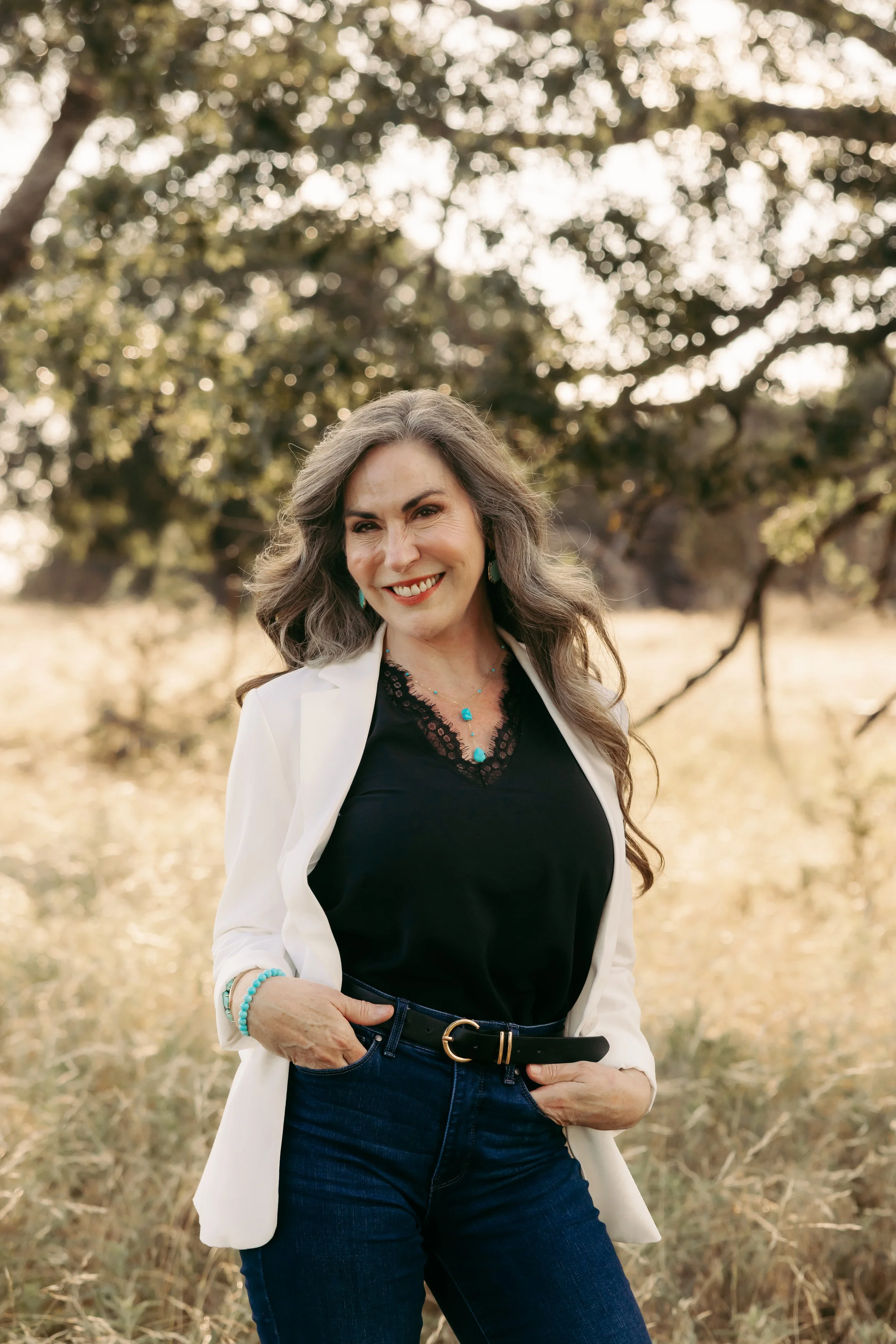
Meet Dr. Juls
I am the expert who got taken down by the very thing I studied. Twice, life asked me to practice what I had spent a career preaching.
I am Julie Merriman, Ph.D., LPC-S, the Nervous System Architect. For three decades I have studied what happens to women who care for everyone but themselves. I did not learn the rest of it from a textbook. I learned it the hard way, in my own body, in my own marriage, at my own kitchen table.
At sixty-three, I am living proof that the second half is not a slow fade. It is a return.
BEFORE THE FALL
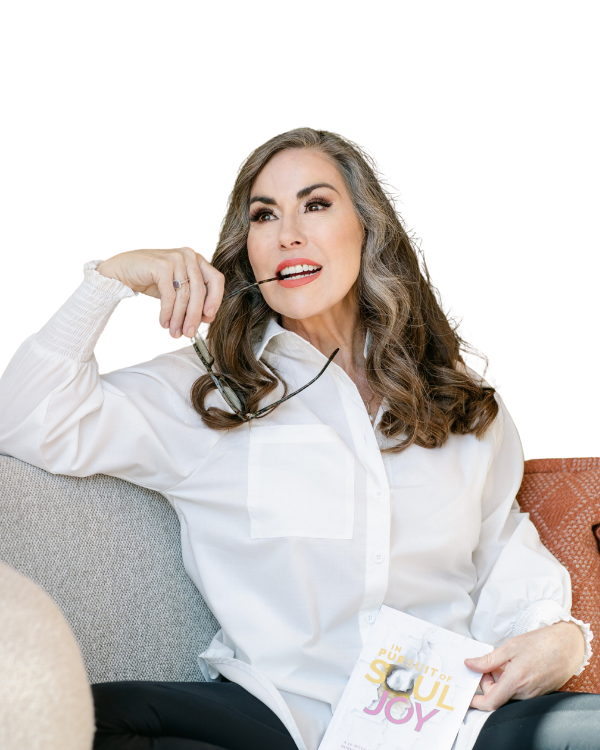
I did everything right, on paper.
I earned my Ph.D. in Counselor Education and Supervision from Texas Tech. I built a clinical career across psychiatric units, community mental health centers, and adolescent services. I became a professor, then a department head, then an associate dean. I trained thousands of clinicians, educators, and first responders. And of all the things I could have specialized in, I chose this one: compassion fatigue. The occupational hazard of people who care for a living.
I researched it. I wrote my dissertation on it. I presented on it from Philadelphia to Orlando to my own state of Texas, teaching counselor after counselor how to spot the warning signs and protect themselves.
I knew the warning signs better than almost anyone in the country.
I missed every single one of them in myself.
THE FIRST SILENCE
While I was building the life and the clinical practice I had dreamed of, I lost myself inside it.
I was ashamed. I was the one who taught this. How could the expert be the one drowning?
What saved me was not another self-care checklist. It was a complete, science-grounded path back to what I came to call soul joy. I rebuilt myself week by week, then wrote the path down so no other healer would have to find it alone. That became In Pursuit of Soul Joy and the Compassion Fatigue Cure.
But I thought reclaiming my life was the whole story.
It was only the first half.
THE SECOND SILENCE
Once I was no longer in survival mode, once my nervous system finally felt safe again, I noticed something else. Something nobody had warned me about and nobody seemed willing to say out loud.
The desire had gone quiet. My body did not respond the way it used to. And somewhere in the long decades of being responsible for everyone else, I had stopped feeling fully alive in my own skin.
I have been married to my husband, Kelly, for more than thirty years. We built a life and a family together. So this was not a relationship that had failed. This was a woman who had disappeared from herself, and who assumed, the way the culture quietly teaches every woman over 50 to assume, that this was simply what getting older felt like and that wanting more made her ungrateful.
I refused to accept that. Then I did what I have always done. I went looking for the science.
WHAT I FOUND
Desire after 50 is not a willpower problem, a character flaw, or an inevitable loss. It is a nervous system question.
The same body that ran hot for years to keep me going could not also feel pleasure. Protection and desire cannot live in the same body at the same time. A body still braced for impact does not allocate resources toward softness, because it is busy.
Which means most women my age are not broken. We have been tamed. By responsibility, by pressure, by decades of putting everyone else's oxygen mask on first. The desire did not leave. It went underground waiting for safety.
Underground is not gone. That distinction is the whole of my work.
I pursued specialized training in sexual health so I could bring the same clinical rigor to this conversation that I had brought to everything else. Then I wrote the book I wish someone had handed me, Are We Gonna Have Sex or What?, and started the Sexy After 50 podcast, so women would finally hear someone say the real thing without shame and without apology.
Not from theory. From my own life.
WHERE TO START WITH ME
The book. Are We Gonna Have Sex or What? is the whole framework, the Radiance Reset Model, seven phases from reclaiming permission through to what I call the Radiance Era. The science, the somatic practices, the writing. It is everything I would walk a client through, at your own pace. This is where I want every woman to start.
The podcast. Sexy After 50: Improve Sex and Intimacy by Healing Your Nervous System. Weekly, free, honest, occasionally interrupted by cattle.
Radiance Reset Coaching. For the women who want company for the walk. Twelve weeks, one to one, six women at a time. Just the two of us, weekly, moving in the order the nervous system actually works: safety, then sensation, then desire. Six is not a marketing number. It is what I can hold properly while doing work this close.
It starts with a conversation. You apply, I read it myself, and if we are a fit I send you a time.
OFF THE CLOCK
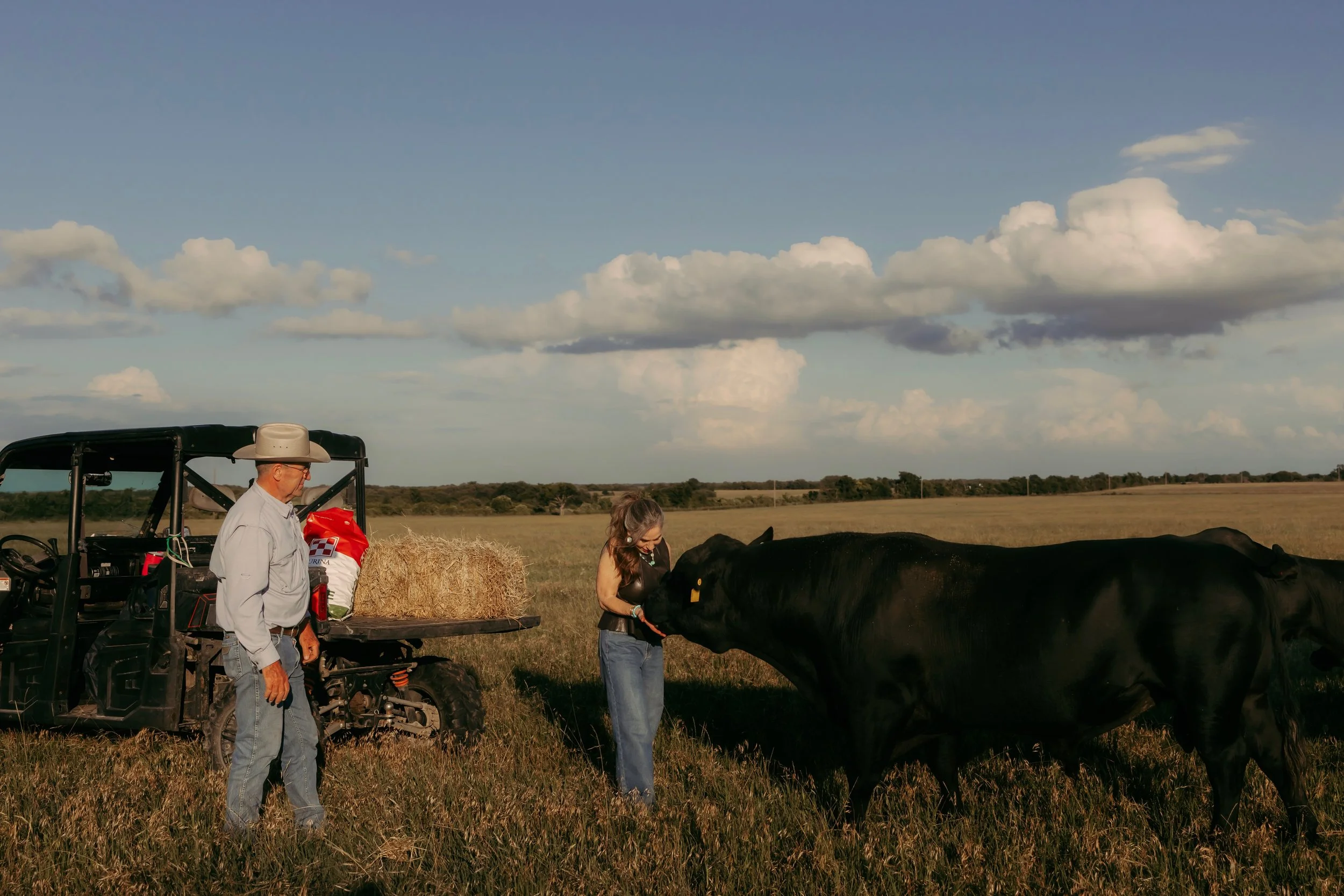
I do all of this from a working ranch in Texas, where Kelly and I have built our life. Most days you will find me writing in my barn office, supervised by my pet bull, Larry, and surrounded by a menagerie that includes more blue heelers than is strictly reasonable, plus a rotating cast of cows, goats, chickens, and cats. I am a mom to two sons, and I answer to "Boombie" from my grandchildren.
I mention the ranch because it is not a backdrop. It is part of the medicine. Open sky, animals who need you to be present, and honest physical work have taught me as much about regulating a nervous system as any clinical training ever did.

CREDENTIALS
Julie Merriman, Ph.D., LPC-S
Counselor Education and Supervision, Texas Tech University
Licensed Professional Counselor-Supervisor
Professor and Program Director in graduate counseling education
Former Associate Dean and Department Head of Counseling, Texas A&M System
Three decades of clinical and academic experience across psychiatric, community mental health, and university settings
Author of In Pursuit of Soul Joy and Are We Gonna Have Sex or What?
Host of the Sexy After 50 and Compassion Fatigue Cure podcasts
Featured on national television, radio, podcasts, and in print